How we work together
I build websites and web systems for businesses. I start with how the business runs and sells — design and code come after.
Which situation is closest to yours?
Your business is better than its website
A sales website or redesign
Tell me about a project like this →The website should take on part of the work
Bookings, quotes, a calculator, a client area
Tell me about a project like this →You need a product, not just a website
A fuller system, built in stages — like HelpTravel
Tell me about a project like this →Attachment
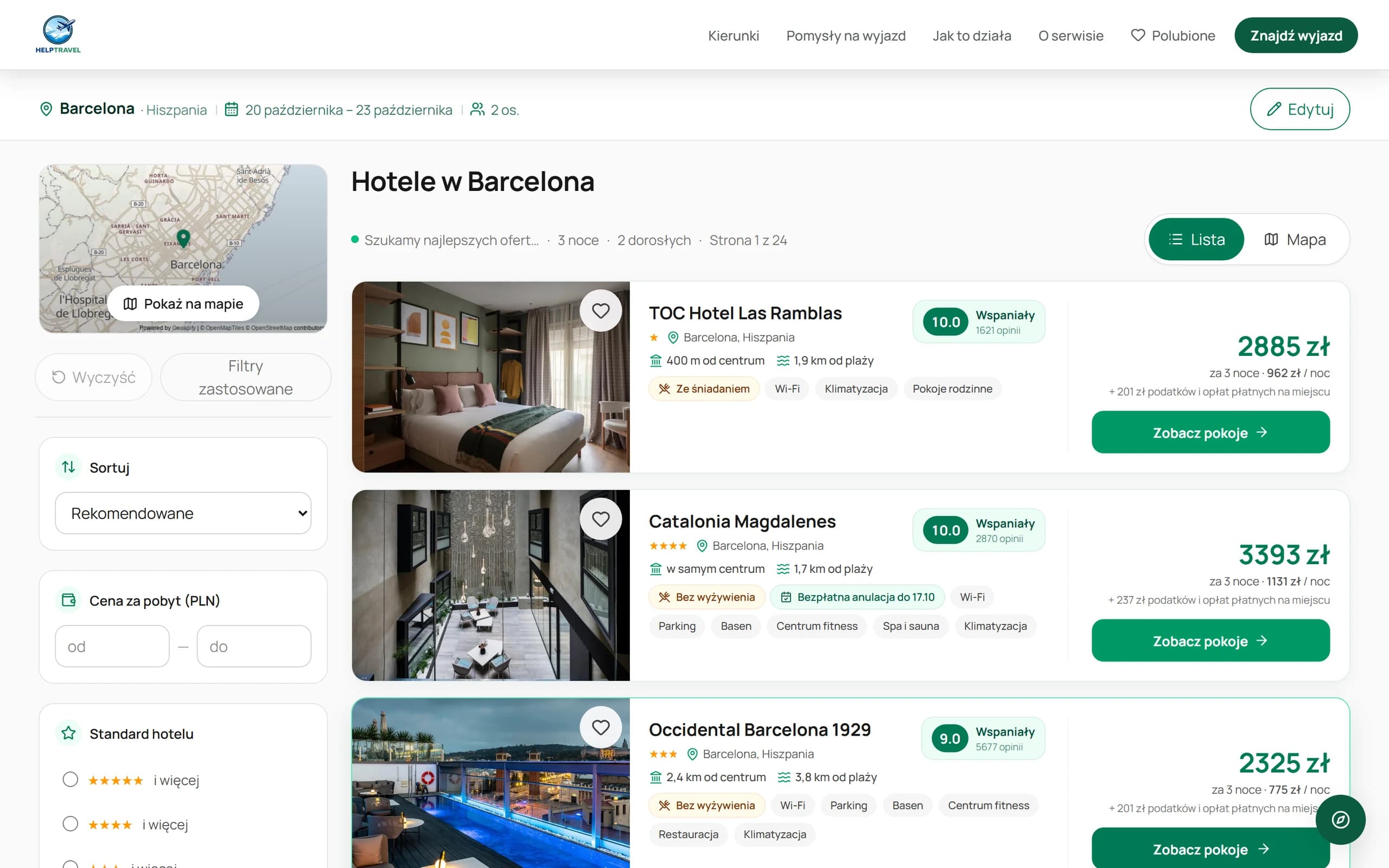
Most companies need the first. I'll tell you plainly which one yours needs.
What I always bring
- understanding the business and its customers
- deciding what the site must do
- the content structure and the main copy
- the visual direction and the design for phone and desktop
- the build and the integrations it needs
- testing: devices, browsers, accessibility, speed, technical SEO basics
- launch, and bug fixes for an agreed period
What I deliberately don't do
- brand identity or a logo from scratch
- photo and video shoots
- running ad campaigns or social media
- ongoing SEO campaigns
- native mobile apps
- installing ready-made templates
- standard shops that a ready-made platform serves better
What I can do instead: plan the materials you need, design how they'll be used, work with the materials you have and set the site's visual direction.
How scope and price are set
A sales website and a web system can differ enormously in scope, so I get to know the project first and then prepare a concrete scope and quote.
- 1Short brief
- 2Conversation
- 3Written proposal
- 4Agreed scope
- 5A fixed price for that scope
Complex systems — bookings, larger integrations, custom tools, web products — may start with a paid analysis stage. It gives you how the system works, the main flows, the scope, integrations, constraints and risks, the delivery stages and the basis for a proper quote. You keep the result, and if we build the project together, its cost may be credited toward the build.
A simpler project doesn't need this stage. We start with a short brief.
What the process looks like for you
- What you bring
- A short description of the business and what needs to change, access to your current site and materials if you have them, and someone who can make decisions.
- What I look into
- How the business sells, who buys, how competitors present their offer, and what your current site does — or doesn't do.
- When you see the direction
- Before anything is built: the content structure, the main copy and the visual direction.
- When you give feedback
- At agreed stages: on the proposed direction, on the first working version and before launch.
- What gets built
- What we agreed in the proposal: a website, a feature or a system. Content is editable where that makes practical sense.
- What gets tested
- The site on mobile and desktop and in the major browsers, plus accessibility, speed, technical SEO basics and forms.
- What you receive
- A live website or system, and the rights to what was created for your project, to the extent they can be transferred. For an agreed period I fix bugs from the build; new features and changes in scope are separate work. Third-party libraries, fonts and services stay under their own licences.
Common questions
- What does it cost?
- There's no price list and no packages: the price depends on the scope. After we talk, you get a written proposal with the stages and a fixed price for the agreed scope.
- How long does it take?
- It depends on the scope. The timeline and the stages are in the written proposal, before anything starts.
- Will you write the content?
- The content strategy and the main sales copy, yes — they're part of the project. Hundreds of product descriptions, a mass content migration, a whole blog or specialist legal texts aren't included by default. We agree the content scope together with the project scope.
- Can the content be changed later?
- Where that makes practical sense — the offer, projects, articles or prices, for example — I design a convenient way to update it. I don't add an admin panel without a reason.
- Who owns what gets built?
- You get the rights to the materials and code created for your project, to the extent they can be transferred. Third-party libraries, fonts, stock photos, SaaS services, APIs and platforms stay under their own licences.
- What happens after launch?
- For an agreed period I fix bugs from the build. New features, new content and changes in scope are separate work, quoted separately.
Let's start with what needs to change.
A few fields, no budget question. I reply personally.